A bald eagle circling overhead, a moose browsing along a willow-lined creek, or a herd of elk grazing in the morning light can turn an ordinary drive into an unforgettable experience, and it’s one of the primary reasons people make the trip to Jackson Hole in the first place. Positioned so close to Grand Teton National Park, the National Elk Refuge, and the greater Yellowstone ecosystem, Jackson is one of the best places in the country to observe the wildlife of the American West in its natural habitat.
There are three secrets to a rewarding wildlife-watching experience: knowing where to look, planning around the seasons, and giving yourself plenty of time.
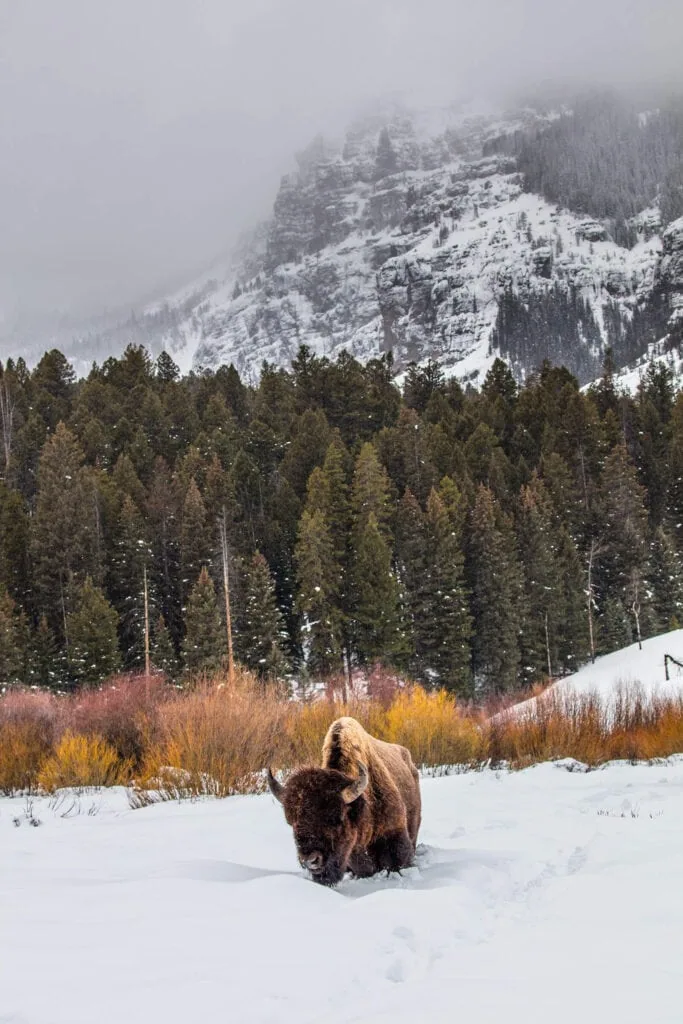
Photo courtesy of Visit Jackson Hole
Time Your Adventure With the Seasons
Every season brings something different to Jackson Hole’s wildlife calendar.
- Spring: Migrating birds return, bears emerge from winter dens, and many animals take advantage of new vegetation. Wildlife is exciting to observe, but keep extra distance from mothers with young.
- Summer: Long days offer plenty of time to explore, and birds are active around rivers and wetlands. Start early to avoid the busiest hours and increase your chances of spotting animals.
- Fall: Cooler temperatures, golden foliage, and the elk rut make this a favorite season for wildlife enthusiasts.
- Winter: The National Elk Refuge offers a spectacular view of wintering elk, while hardy birds and other wildlife continue to inhabit the valley.
Regardless of the season, dawn and dusk are often the most productive times to look for wildlife. Midday can still be worthwhile, especially near water or in cooler weather, but patience is essential.
Watch Wildlife Responsibly
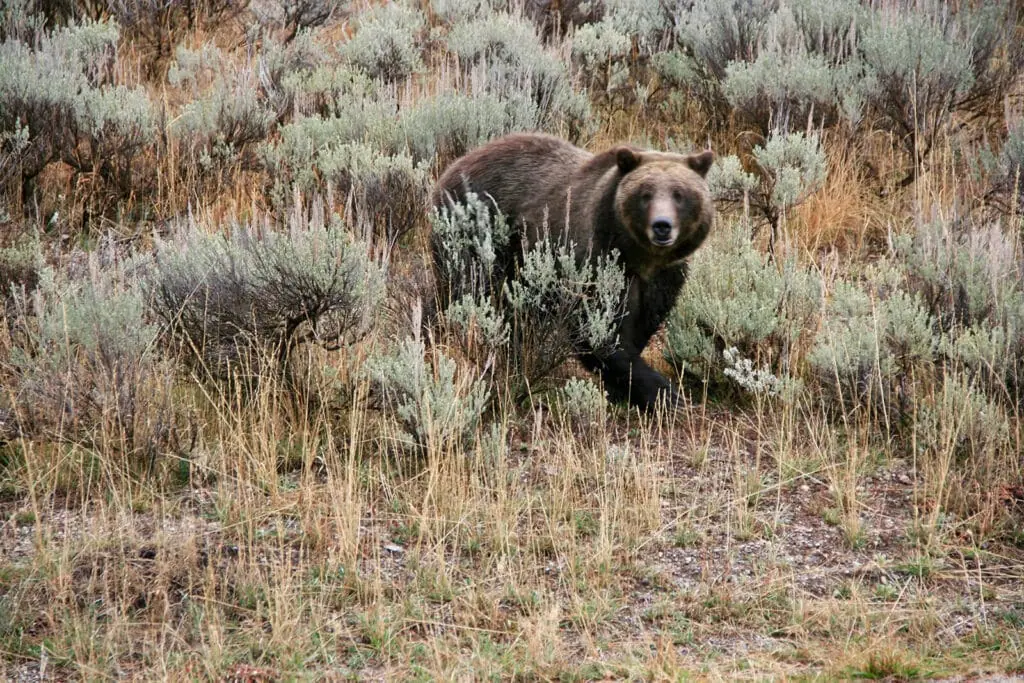
The best wildlife encounters happen when animals are allowed to behave naturally. Use binoculars or a camera instead of trying to get closer. Never feed wildlife, and always follow posted signs and park regulations. In general, stay at least 100 yards from bears and wolves and at least 25 yards from other wildlife, including those that may at first seem harmless like moose, elk, and bison.
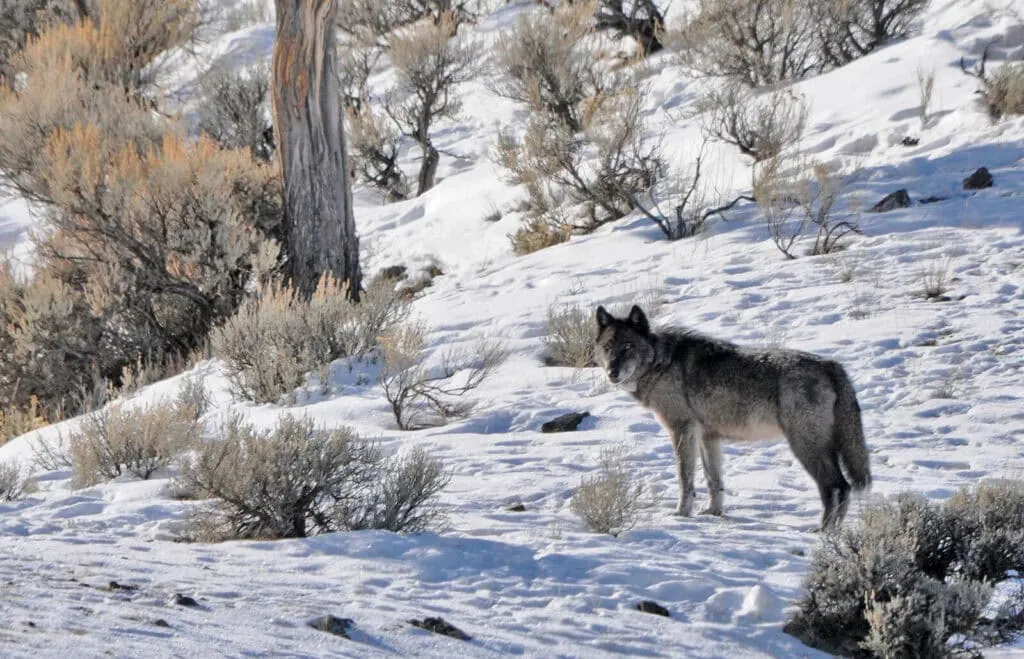
Photo Courtesy of Visit Jackson Hole
Start Early on Moose-Wilson Road
For visitors hoping to spot moose, few places are as rewarding as Moose-Wilson Road in Grand Teton National Park. This scenic route winds through forests, wetlands, and lush riparian habitat where moose often feed on willows and other vegetation. Black bears and a variety of birds may also appear along the way.
Early morning and evening are generally the best times to explore, when wildlife tends to be more active and the light is especially beautiful. Spring and summer bring green vegetation and young animals, while autumn offers colorful foliage and the chance to hear elk bugling in the surrounding landscape.
Drive slowly, keep your eyes on the roadside, and use designated pullouts rather than stopping in the middle of the road. Keep an eye out for slow-moving wildlife in the roadway, like beavers and porcupines. Moose-Wilson Road can close seasonally or have restrictions, so check current park conditions before setting out.
Take in the Views Along the Snake River
The Snake River corridor offers excellent opportunities to observe birds and larger mammals against the dramatic backdrop of the Teton Range. Look for bald eagles perched in cottonwoods, osprey hunting over the water, and waterfowl gathering along the river. Depending on the season and location, you may also spot beavers, river otters, and other wildlife near the water’s edge.
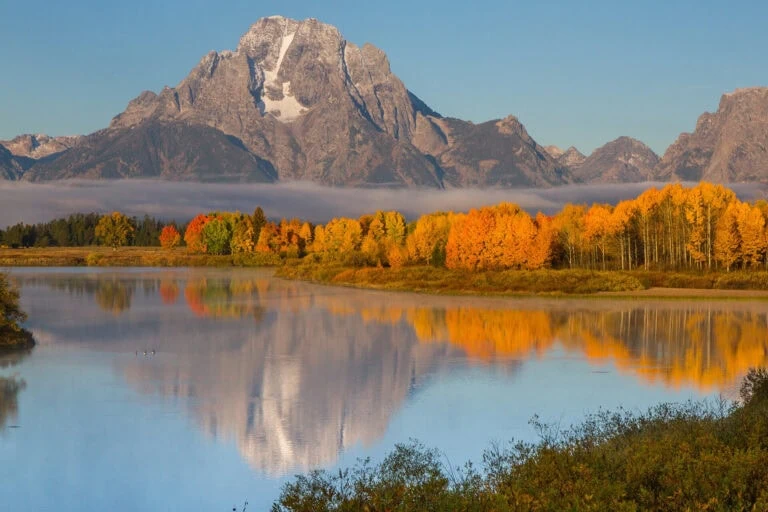
Spring and summer are particularly rewarding for birdwatching, while fall brings migrating birds and beautiful golden cottonwoods. In the early morning, the river is quiet, and birds are beginning to feed. Bring binoculars and take your time scanning the banks, treetops, and open water.
The Snake River also offers opportunities to see wildlife from the water on a guided float trip. A knowledgeable guide can help identify birds and explain the ecosystem while you enjoy a different perspective on the landscape.
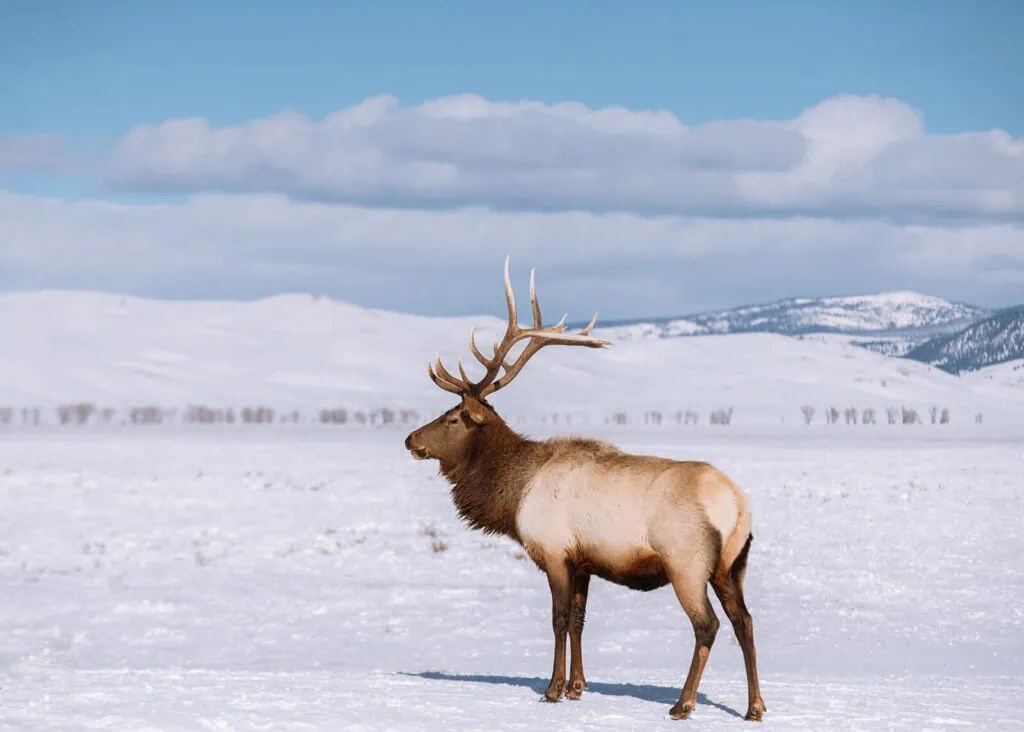
Photo Courtesy of Visit Jackson Hole
Visit the National Elk Refuge in Winter
When snow blankets Jackson Hole, the National Elk Refuge becomes one of the area’s most remarkable wildlife destinations. Thousands of elk winter here, gathering on the open refuge lands after leaving higher elevations where snow makes foraging more difficult.
Winter is the signature season for visiting, generally from December through early spring, although conditions and elk numbers vary from year to year. The Refuge offers a great way to get a rare up-close experience in the form of sleigh tours that can bring you within feet of the wintering elk. These rides offer a memorable way to experience the refuge while learning about elk ecology and the challenges animals face during the coldest months. The elk are wild, so always follow refuge guidance.
The refuge is also home to other wildlife, including bison, pronghorn, and a variety of birds, depending on the season. Raptors may be seen in the region throughout winter.
Explore the Open Landscapes of Antelope Flats
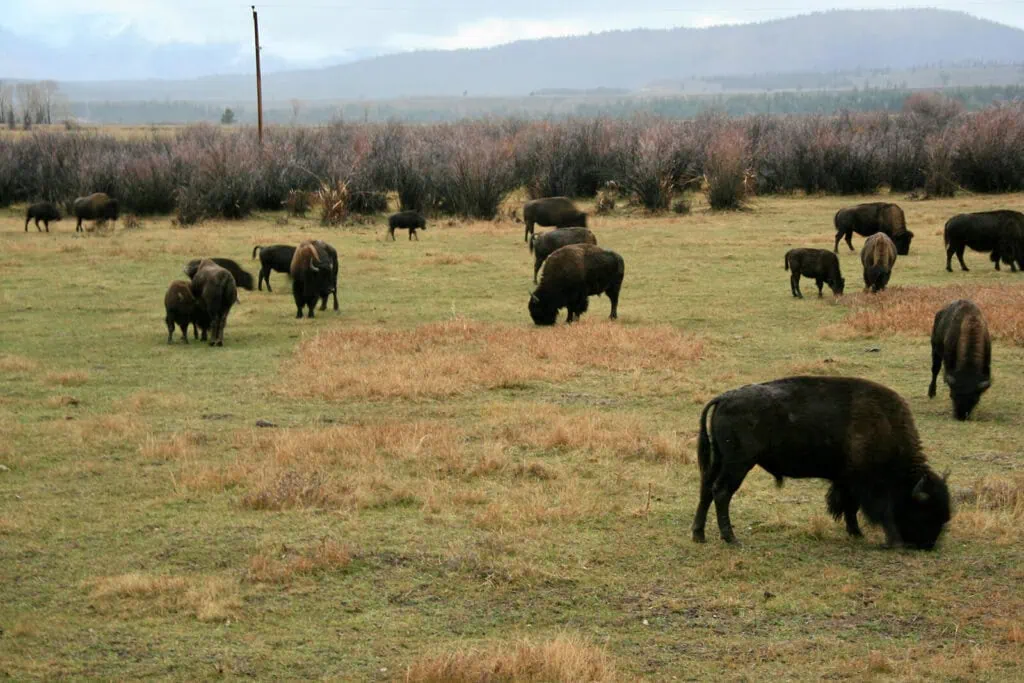
Antelope Flats Road sits near the historic Moulton barns and the eastern side of Grand Teton National Park. The broad, open terrain makes it easy to scan for wildlife, particularly bison and pronghorn. Elk, coyotes, and birds of prey may also be seen in the surrounding fields.
Sunrise is especially rewarding: the mountains catch the first light, the roads are often quieter, and animals may be active in the cool air.
Bison can look calm while grazing, but they are powerful wild animals capable of moving surprisingly quickly. Give them plenty of room, stay inside your vehicle when within 25 yards, and never approach calves or attempt to move closer for a photograph.
Look Beyond the Big Animals
Wildlife watching in Jackson Hole isn’t only about moose, elk, and bison. The region is also home to foxes, marmots, pikas, beavers, trumpeter swans, and many other species.
For birdwatchers, wetlands and lakes around Grand Teton National Park are excellent places to look for waterfowl and shorebirds in spring and summer. Willow Flats can offer opportunities to observe wildlife across a broad wetland landscape, while quieter trails and overlooks may reveal smaller animals that are easy to miss from the road.
Bring binoculars, listen for bird calls, and pay attention to movement at the edges of your vision.