If there is one piece of skin-care advice Kayley King, Spa Director at Body Sage Spa at the Rusty Parrot, would repeat to every guest, it’s this: wear your sunscreen.
King, a licensed esthetician who has worked in the industry since 2011, has spent years helping people care for their skin, and she says the importance of adequate sun protection is impossible to overstate. Serums, moisturizers and anti-aging products can all have their place in a skin-care routine, but protecting your skin from the sun comes first.
“There’s really no way to avoid going outside, especially here in Jackson,” King says. “And we are at such high elevation that it’s even that much worse.”
Because atmospheric density decreases at higher altitudes, fewer ultraviolet (UV) rays are filtered before reaching the ground. This results in significantly higher UV intensity than at sea level.
Additionally, the window of vulnerability lasts much longer throughout the day. While lower-elevation regions may only experience peak UV danger around midday, high-altitude sun rays remain intense well into the late afternoon and early evening during summer. Visitors often return from a day on the mountain with severe windburn or sunburn, accompanied by sensitive, tender skin that makes basic expressions painful.

Why Winter Sun Protection Matters Just as Much
One of the biggest misconceptions King encounters is that sunscreen is primarily for warm-weather activities.
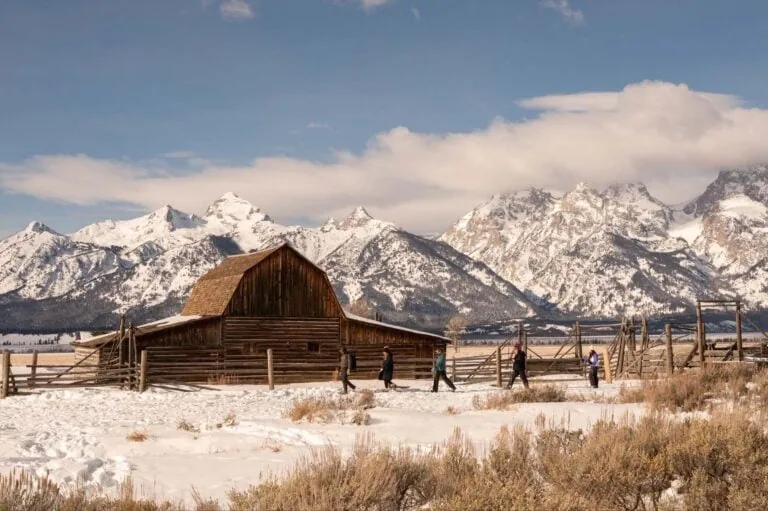
In Jackson Hole, winter may actually be one of the most important times to be diligent about sun protection. Snow acts as a massive reflector, bouncing UV rays directly back up toward your body. “You’re kind of getting almost like hit from above and below,” says King. Even when temperatures drop or clouds cover the sky, harmful rays penetrate through overcast conditions and double their impact via snow reflection. Skiers and snowboarders who skip sunscreen often end up with distinct sunburns and long-term sun damage without realizing it until the end of the day.
“People will be like, ‘But it’s cold, I won’t get burned’” King says. “But the sun is still there, and now you’re also getting the reflection from the snow too, so it’s twice as bad.”
The effects aren’t always subtle. King says she can often tell when someone has spent several days on the mountain without adequate SPF. Sunburn, windburn and tenderness can leave the face so uncomfortable that even smiling or talking hurts.
Make Reapplication Part of the Routine
Applying sunscreen once in the morning and forgetting about it isn’t enough for a full day outdoors. King recommends reapplying approximately every two hours, with more frequent application when you’re swimming, sweating, or otherwise removing sunscreen from your skin.
For travelers who don’t want to spend the day watching the clock, she suggests paying attention to UV levels, which are readily available on most phones. At minimum, make a point of reapplying during the day’s periods of highest UV exposure.
And don’t forget the places that are easy to overlook. “The backs of your hands are exposed to sun rays and need SPF,” King says. People aren’t often thinking of their hands while they’re driving, walking around town, hiking, or skiing. But over time, King says, sunspots on the hands can become a telltale sign of years of sun exposure.
What About Makeup with SPF?
Makeup and moisturizers containing SPF can be useful additions to a skin-care routine, but King cautions against treating them as a substitute for dedicated sunscreen.
King recommends applying a dedicated SPF underneath makeup. At Body Sage Spa, she particularly likes products that can serve multiple purposes, including Le Prunier’s Plumscreen, which combines sun protection with moisturizing and skin-brightening properties.
King also mentions UV-indicator stickers, which change color to warn you when UV exposure is at its highest. This can be especially useful for families with children as a quick and easy way to see when to be extra vigilant about sunscreen application.
The goal, she says, is to make SPF an easy, appealing part of your existing routine rather than another chore.
Combining Daily Prevention with Professional Spa Care
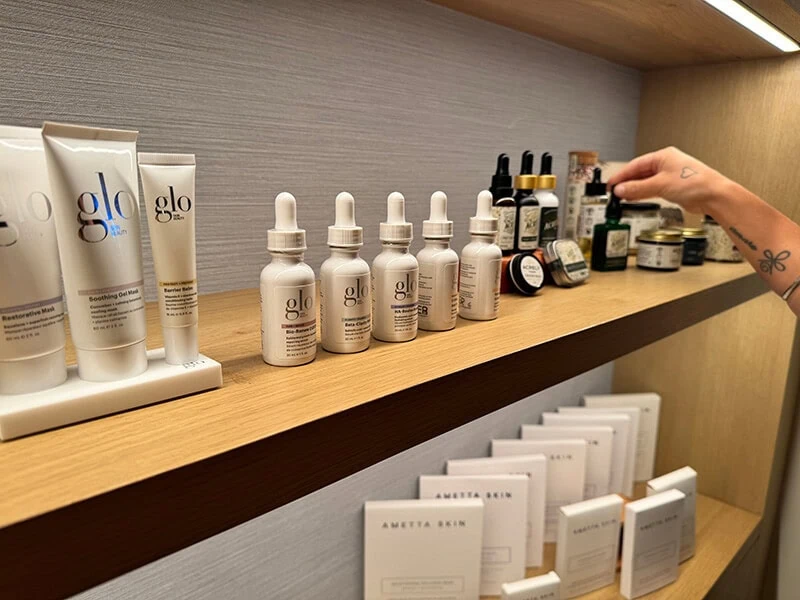
At Body Sage Spa, SPF is applied at the end of every facial. But King says a significant part of the spa’s work involves addressing the damage that can happen when sun protection is overlooked.
Sun exposure can contribute to hyperpigmentation, sunspots and visible signs of skin aging. Once that damage has occurred, treatments can help improve the appearance of the skin, but prevention remains much easier than correction.
After a particularly long day outdoors, King recommends a customized facial such as Body Sage’s Sage Skin Essential. The spa’s estheticians can help guests understand their needs rather than expecting them to diagnose their own skin.
When asked for her top three golden rules for anyone visiting Jackson Hole for the first time, King keeps it simple. First, hydrate. The combination of high elevation and dry air can be tough on the skin. Second: SPF. And third?
“More SPF,” she says with a laugh.
It’s advice worth taking seriously. Whether you’re visiting Jackson Hole in the height of summer or arriving with skis in the trunk, protecting your skin should be as automatic as packing your sunglasses.