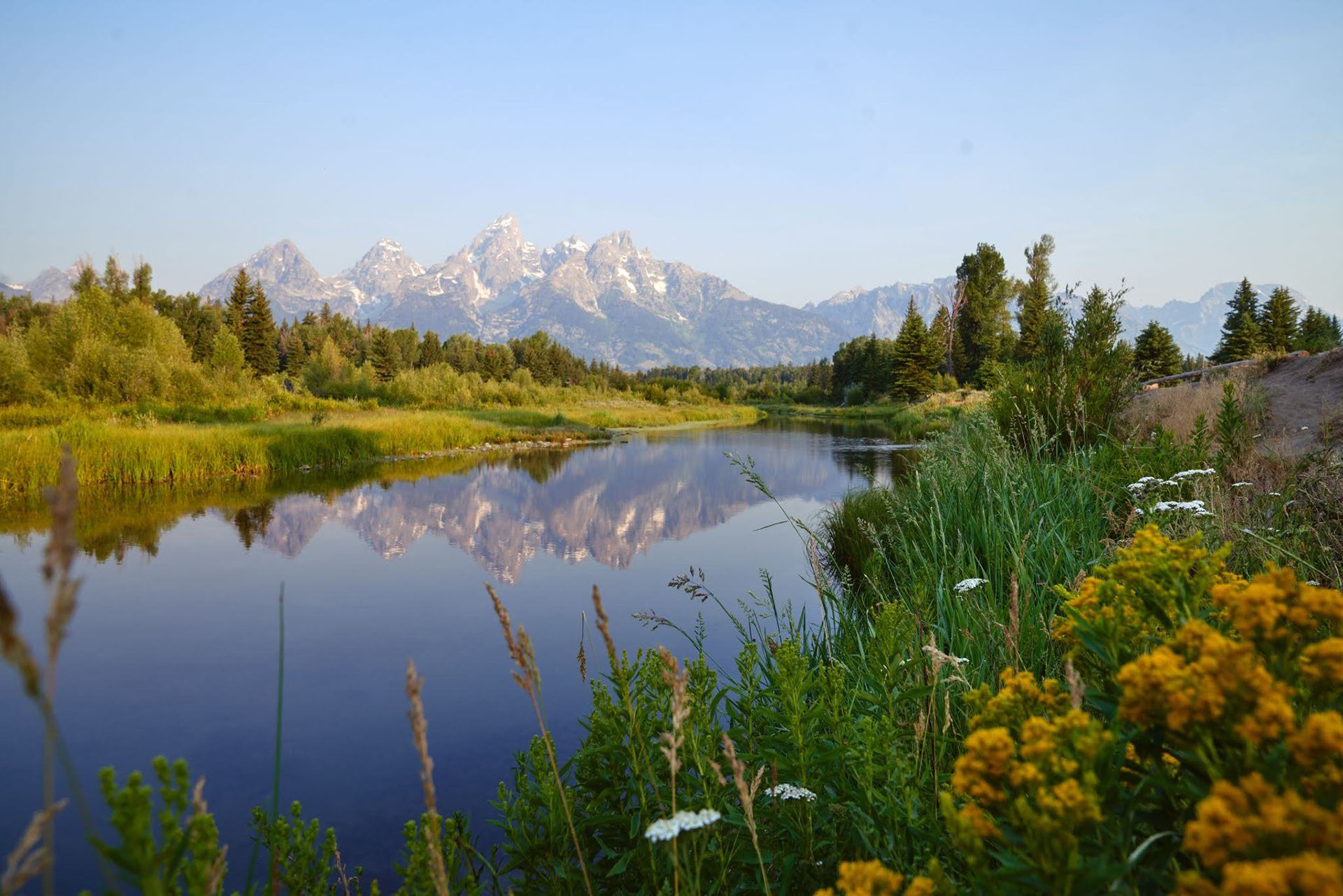
—Header Photo Courtesy of Wyoming Office of Tourism
The Snake River has shaped the landscape of Jackson Hole for thousands of years, carving a path through mountain valleys, nourishing diverse ecosystems, and becoming one of the American West’s most iconic waterways. Whether you’re looking for a relaxing afternoon float beneath the Tetons, an adrenaline-filled whitewater adventure, or a quiet morning casting for trout, look no further than the Snake River.
A River That Connects the West
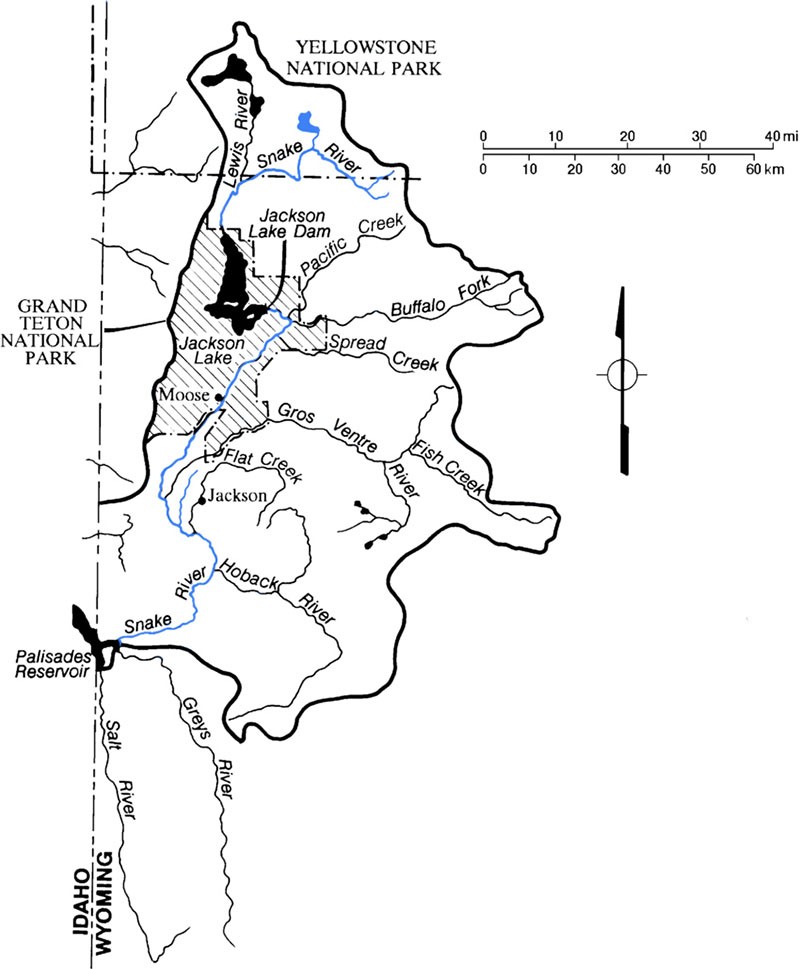
The Snake River begins high in Yellowstone National Park and flows south through Grand Teton National Park and the Jackson Hole Valley. From there, it continues across Idaho, briefly forms part of the Idaho-Oregon border, and eventually joins the Columbia River in Washington after traveling more than 1,000 miles.
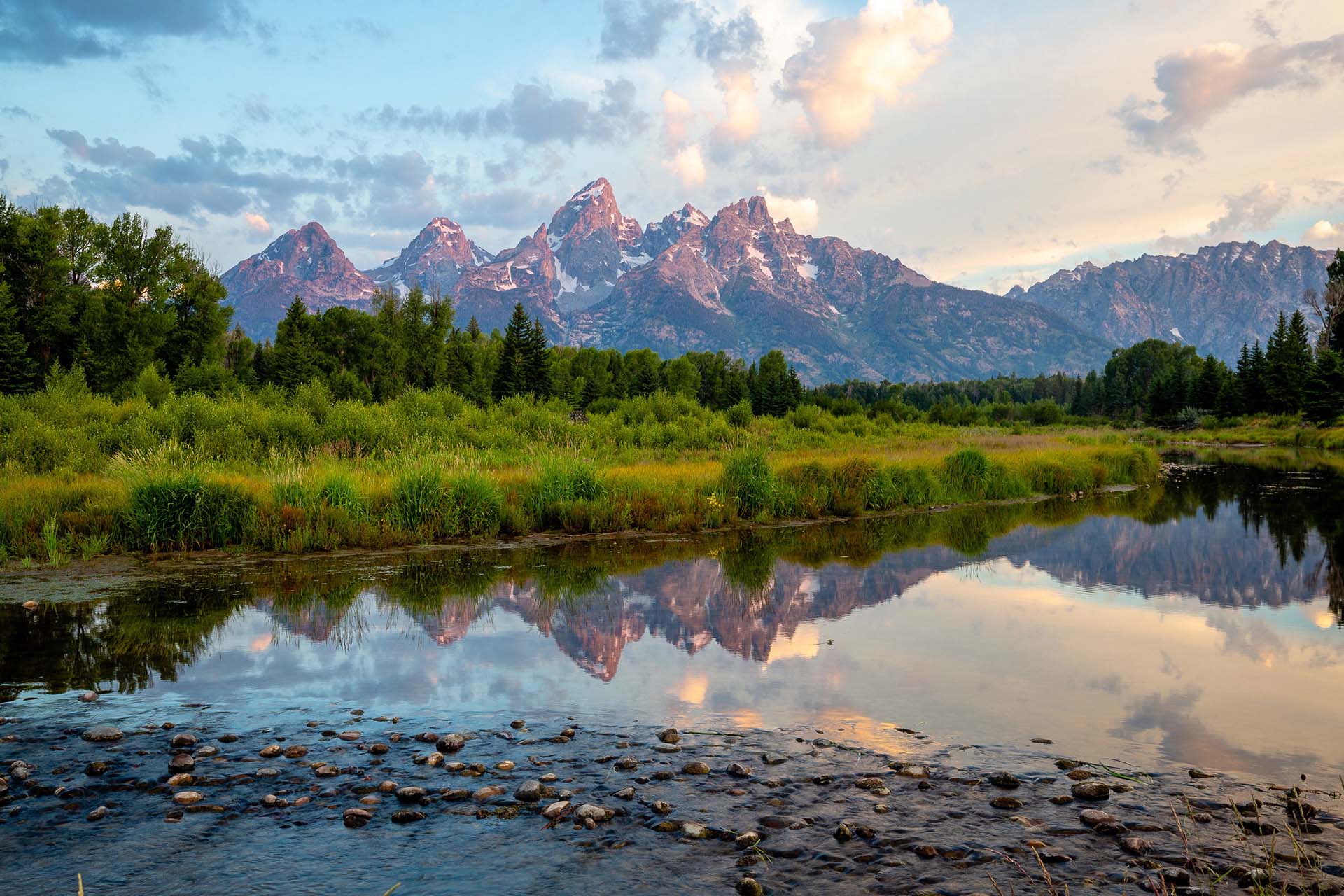
The portion of the river’s journey that runs through Jackson Hole is arguably the most scenic. Here, the river meanders beneath the dramatic peaks of the Teton Range, creating one of the most photographed landscapes in North America. Cottonwood forests, sagebrush meadows, and gravel bars line its banks, providing essential habitat for wildlife throughout the Greater Yellowstone Ecosystem.
Keep your eyes on the shoreline during any river excursion, and you may spot moose feeding in willow thickets. Bald eagles and osprey frequently soar overhead, while great blue herons, pelicans, and trumpeter swans can often be seen along quieter stretches. Beavers and black bears, while elusive, also call the river corridor home, and can be spotted with a little luck.
Beneath the surface, the Snake River supports healthy populations of native cutthroat trout and other cold-water species that make it a world-renowned destination for anglers.
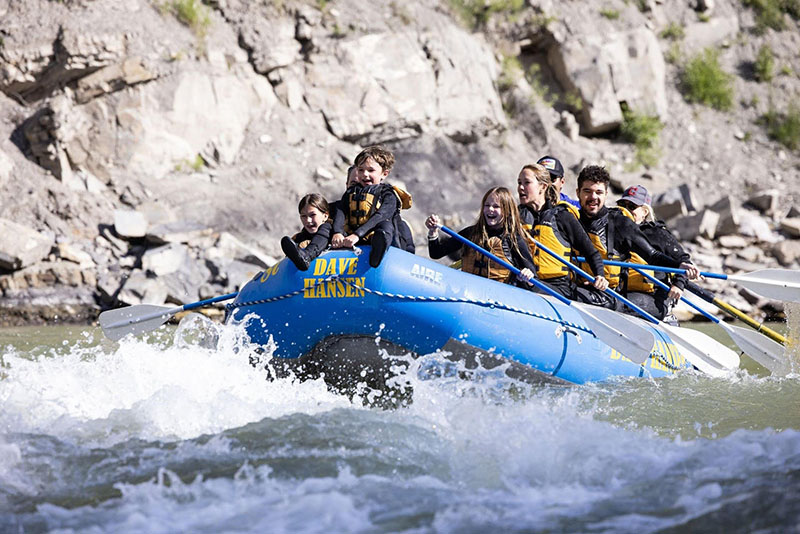
Photo Courtesy of Wyoming Office of Tourism
Understanding Whitewater Classifications
If you’re considering a rafting trip, you’ll likely hear rapids described by “Class” ratings. These classifications help paddlers understand the level of difficulty they’ll encounter.
Class I rapids are the easiest, featuring moving water with small riffles, ideal for beginners.
Class II rapids, or novice-level rapids, introduce wider channels and straightforward waves that require basic maneuvering.
Class III rapids, also called intermediate level rapids, offer larger waves, stronger currents, and exciting technical sections that provide plenty of thrills while remaining accessible for most adventurous first-time rafters.
Class IV rapids are advanced level areas that require precise handling, and may require scouting beforehand. Risk of injury is moderate to high, and areas of this classification should only be attempted by the experienced.
Class V and Class VI rapids are expert-level and extreme-level, respectively. These are the most difficult sections of whitewater found anywhere. There are no Class V or Class VI rapids in the Jackson Hole section of the Snake River.
The Snake River near Jackson is famous for its Class II and III whitewater, particularly through the Snake River Canyon south of town. These stretches deliver plenty of excitement without requiring previous rafting experience, making them popular with families, couples, and groups looking for a memorable outdoor adventure. Under certain flow conditions, especially during the spring, some areas of the snake river can escalate to Class IV.
Choosing the Right River Experience
Whitewater rafting trips head farther south into the Snake River Canyon, where energetic rapids add excitement to an already beautiful setting. Depending on the itinerary, most trips last between two and four hours, with both half-day and longer excursions commonly available.
Not every rafting trip is about conquering rapids. Scenic float trips provide a peaceful journey through Grand Teton National Park, where the river’s gentle current allows guests to focus on wildlife viewing, photography, and spectacular mountain scenery. These outings are an excellent choice for families with young children, multi-generational groups, or anyone seeking a relaxing introduction to the region.
Fishing floats give anglers the chance to drift between casting opportunities while enjoying views that are every bit as memorable as the fishing itself. Both experienced fly fishers and first-time anglers can find guided trips suited to their skill level.
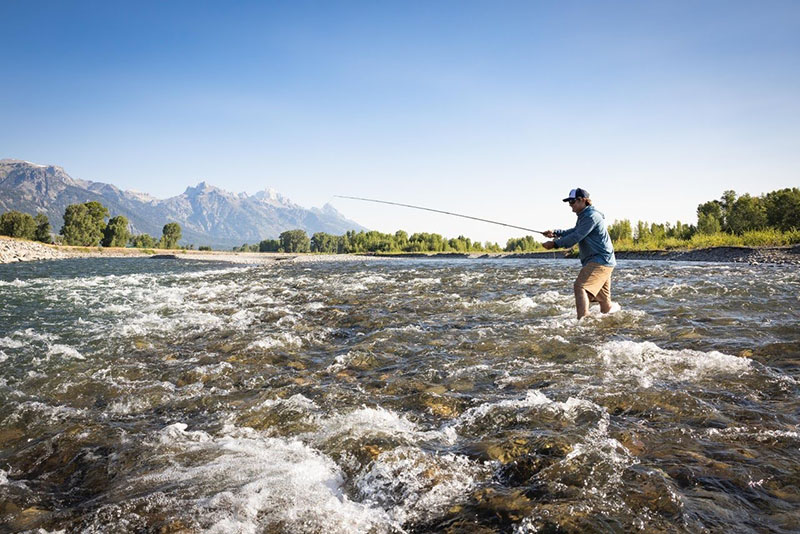
Photo Courtesy of Visit Jackson Hole
More Ways to Enjoy Jackson Hole’s Waters
While the Snake River is the centerpiece of summer recreation, it’s only one way to experience Jackson Hole from the water.
Fly fishing remains one of the region’s signature outdoor pursuits. Guided walk-and-wade trips and instructional outings allow visitors to learn the fundamentals while pursuing native cutthroat trout in pristine mountain waters.
The valley’s alpine lakes offer an entirely different pace. Jenny Lake, nestled right beneath the Cathedral Group in Grand Teton National Park, is perfect for kayaking, canoeing, or simply dipping your toes in the crystal-clear water. Nearby String Lake is a favorite for families thanks to its calm, shallow water, while Leigh Lake rewards paddlers willing to venture a bit farther with remarkable tranquility and stunning mountain reflections. Jackson Lake, the park’s largest lake, offers boating, paddleboarding, and fishing against a backdrop of towering peaks.

Born and raised in Jackson Hole, Wilden McIntosh-Round brings a deep-rooted love for the area into his work as a writer. In his versatile career as a content creator and copywriter, he has worked with brands like Samsung and Rolling Stone, but the best part of his job is partnering with local businesses to share their unique stories.