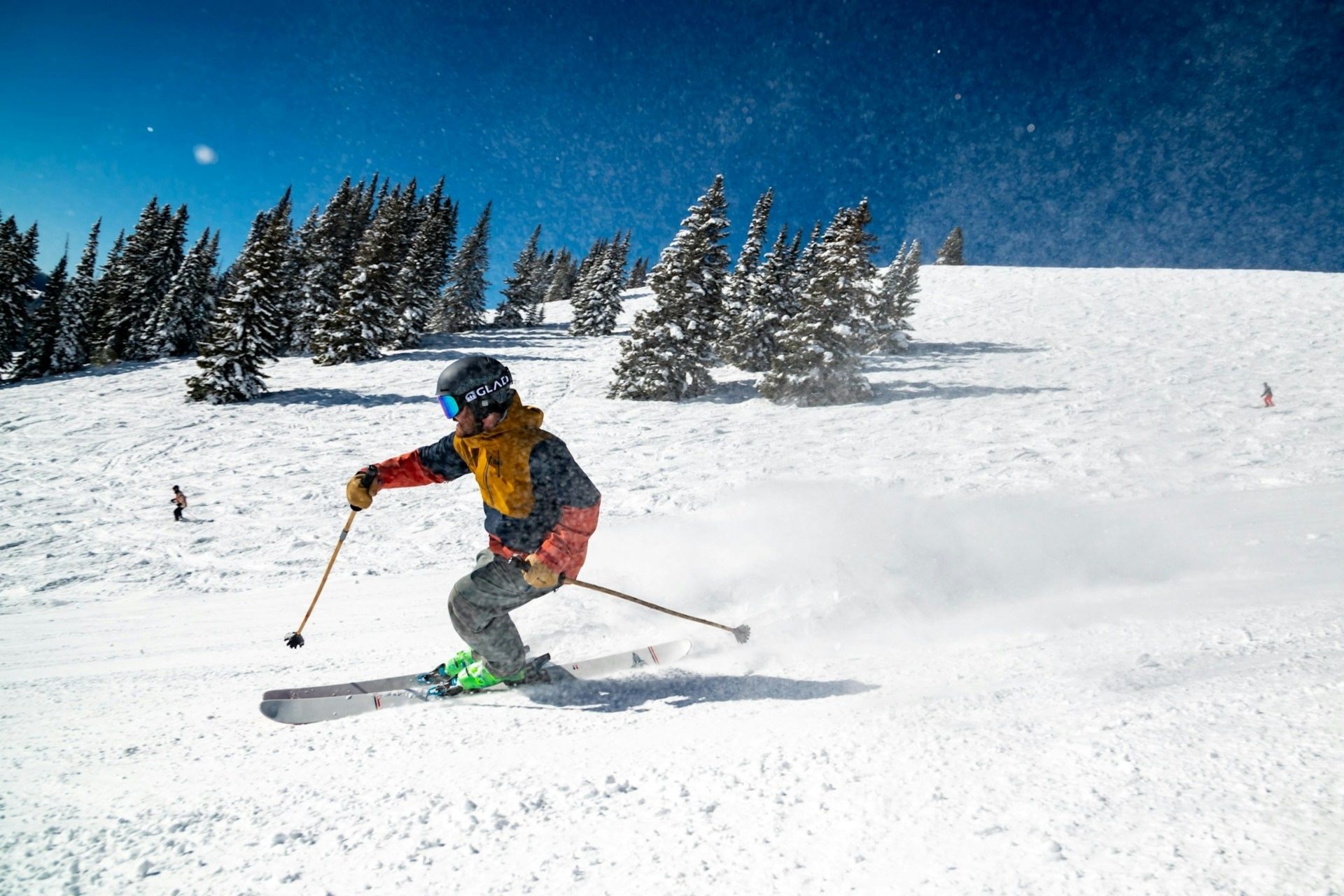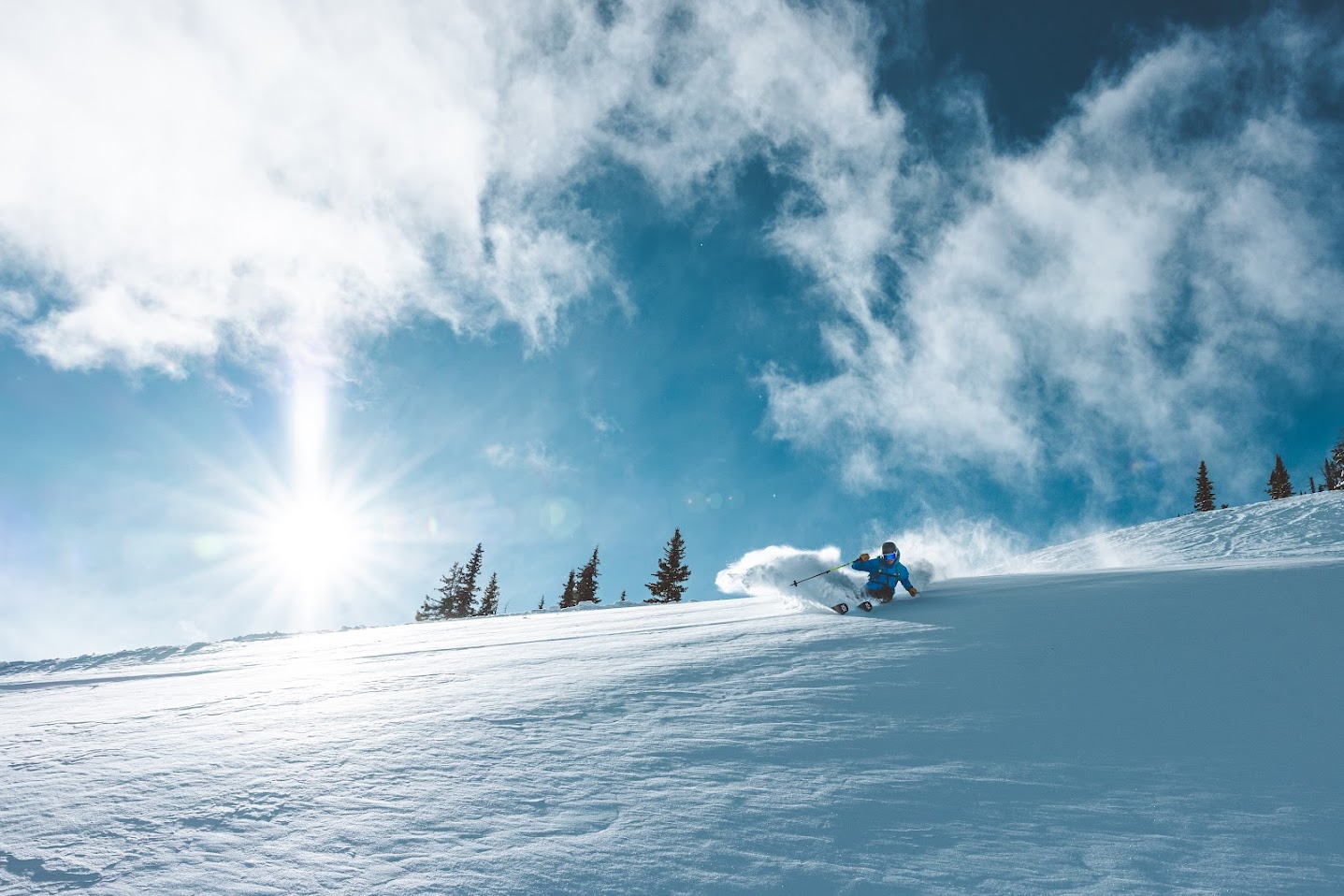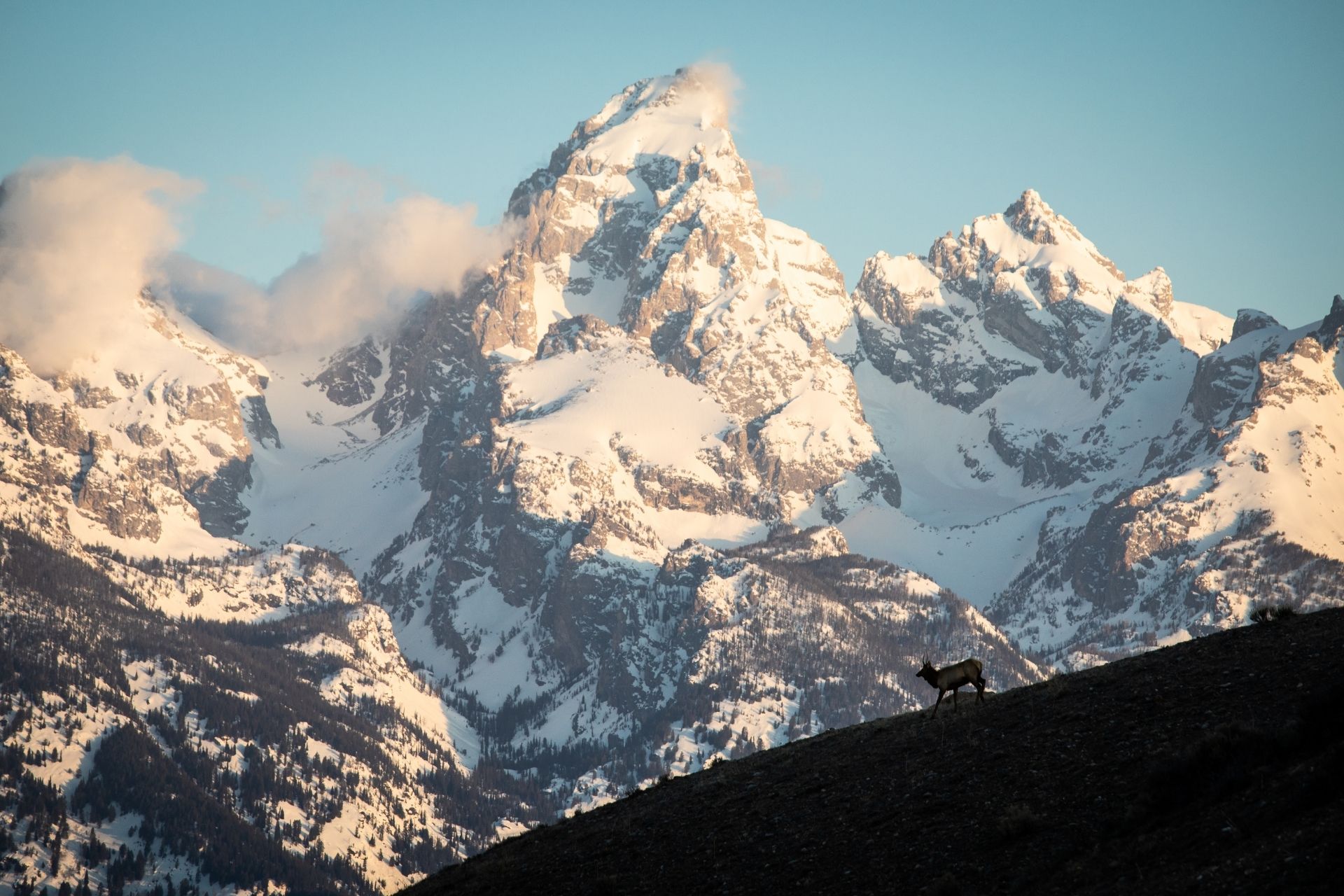
The weeks between winter and spring are a special time in the valley. The ski slopes have begun to wind down for the season and the summer crowds are still a long way off. The natural world is the true star of the season, as the wildlife begins to wake up in a landscape largely still covered in snow. Slowly, almost in secret, the valley is putting on one of its most dramatic performances of the year.
The Valley Comes Alive
Spring in the Greater Yellowstone Ecosystem isn’t announced by budding willows or wildflowers. It’s announced by bears.
Male grizzly bears typically emerge from their dens in March, lean and hungry, wandering the valley floor in search of early food sources like emerging grasses, dandelions, and spring beauties, and winter- and wolf-killed carrion. By mid-April to early May, sows emerge with their cubs—among the most breathtaking wildlife encounters you can witness anywhere in North America. The northern reaches of Grand Teton National Park are prime spots to watch for this special sighting (from a respectful distance, binoculars in hand).
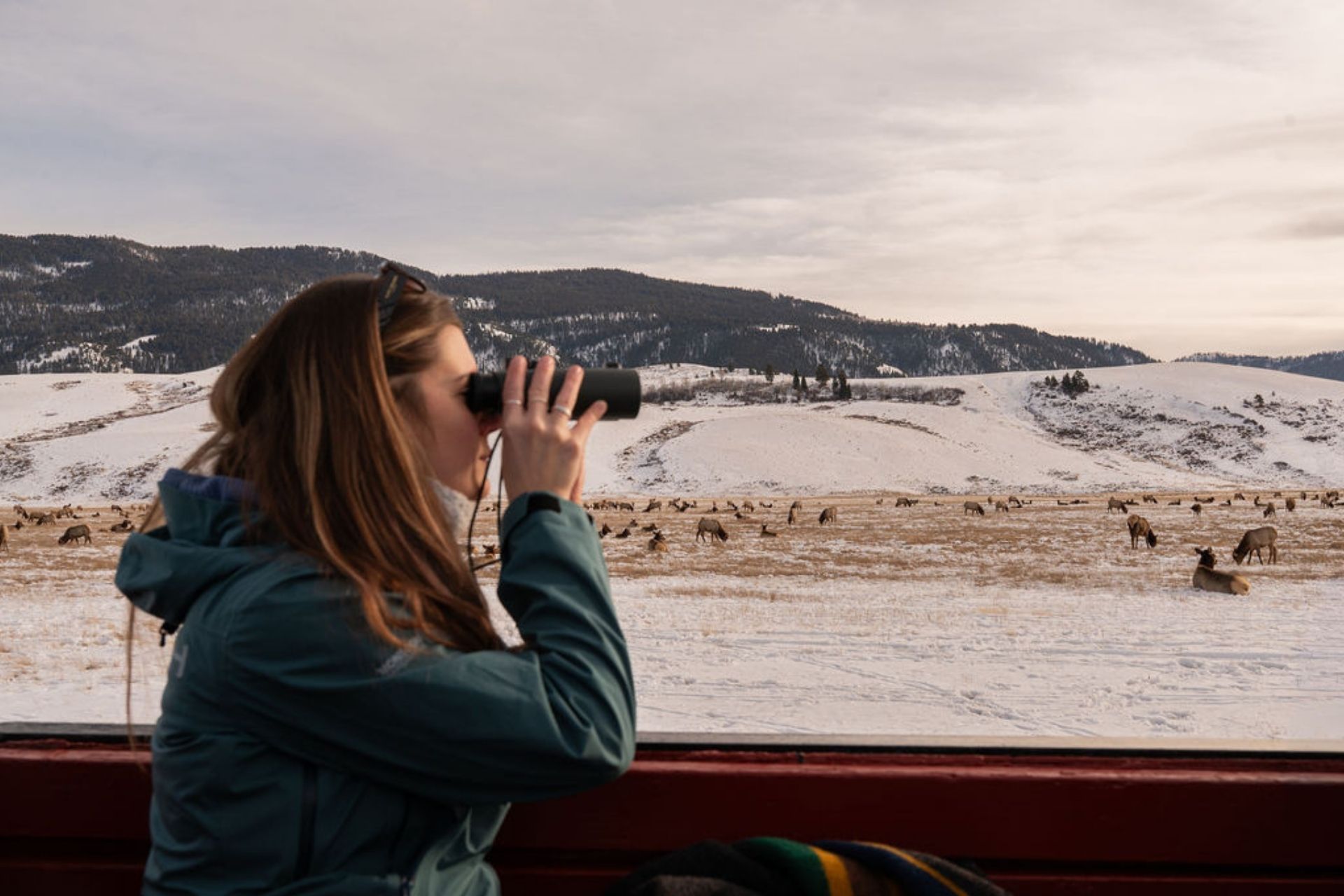
Elk that have been wintering on the National Elk Refuge just north of town are on the move by April, following the advancing line of fresh vegetation up to higher elevations in Grand Teton National Park and the Bridge- Teton National Forest.
Moose, bison, and pronghorn are active throughout the valley as well. Cinnamon-colored bison calves start appearing in April and May, frolicking amongst the mass of slower-moving adults in areas like Antelope Flats and near Mormon Row. Moose can be spotted along riparian corridors munching on willows, particularly in the willows at Schwabacher Landing and along the Moose-Wilson Road. If you are traveling these areas by car, take extra care and observe posted speed limits, as moose have been known to enter roadways unexpectedly from dense roadside foliage.
For bird lovers, spring migrations bring sandhill cranes, trumpeter swans, and ospreys back to the valley’s rivers and wetlands. The Snake River corridor is exceptional for osprey sightings, and the Flat Creek Wetlands are a wonderful spot to watch waterfowl settle in for the season.
How to Explore: Car and Trail
The beauty of a late-winter/spring visit is that you don’t need to be an avid hiker or extreme adventurer to have an extraordinary experience. Some of the best wildlife encounters can happen in remarkably accessible places.
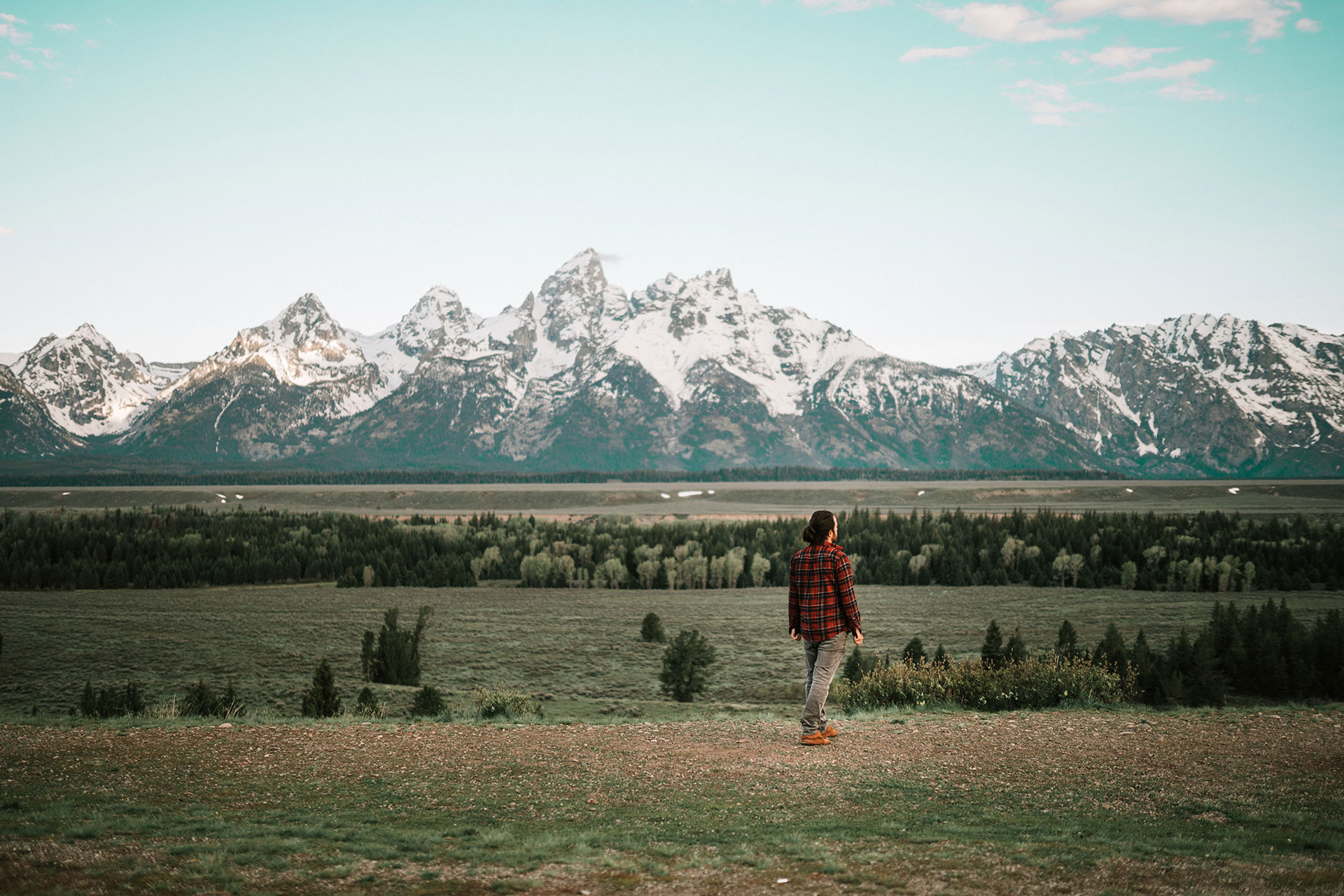
A slow, unhurried (and careful!) drive is a great way to cover ground. Start early; dawn and dusk are when animals are most active. The Moose-Wilson Road is a local favorite for spotting moose and bears in the spring. Signal Mountain Road offers sweeping views across the park. And the Inner Park Loop Road in Grand Teton is a special treat, though it is usually closed until mid-April. Once it opens, it becomes a stunning scenic drive.
Low-elevation hiking trails begin to clear by mid-April, just as the first wildflowers start to appear. The trail around Phelps Lake, accessible via the Lawrence S. Rockefeller Preserve, is an excellent option, sheltered enough to be passable earlier in the season with stunning mountain views.
Snow conditions vary widely by elevation and year. Higher trails may still be covered well into May, so be sure to check conditions before heading out. Stick to valley floor routes unless you’re equipped for winter travel, and always let someone know your plan!
Packing for an Adventure in the Tetons
Spring in Jackson Hole is famously unpredictable. Daytime temperatures can climb into the 50s and 60s, while nights regularly dip back into freezing. A morning hike might start under bright blue skies and end in a snow flurry. Preparation is everything.
Here’s what to include in your bag:
Bring a waterproof outer layer (rain jacket or light shell) that can double as a wind barrier. Pack mid-layers like a fleece or light down jacket for cool mornings and evenings. Moisture-wicking base layers, a warm hat, and gloves are highly recommended, even in May. Comfortable, waterproof hiking boots with good ankle support will help you handle muddy trails and lingering snow patches. If you’re setting out in the early morning or in colder weather, remember to bring a backpack even if it’s empty at first; as the day heats up and your blood starts flowing, you may need a place to store layers as you shed them.
Binoculars are essential for wildlife watching, as animals should always be observed from a distance. A good pair will transform your experience in the mountains. A telephoto lens for photography is a worthy investment. Bear spray is required for backcountry hiking and strongly recommended on any trail. Trekking poles help with slippery or uneven terrain.
Spring sun at high elevation can be intense, especially reflecting off snow. Pack a high-SPF sunscreen, UV-protective sunglasses, and a brimmed hat for daytime outings. And of course, don’t forget a water bottle and snacks.
Stay Longer, Experience More
A few days in Jackson Hole is never quite enough. One sunset over the Tetons, one early morning grizzly sighting, one long soak in the hot tub after a day on the trails, and you’ll wish you’d planned to stay longer.
That’s why we’re extending our Deep Winter, Longer Stays package straight through spring. Book four nights at the Rusty Parrot and receive your fifth night free. It’s our way of encouraging you to slow down, settle in, and let Jackson Hole reveal itself to you at its own unhurried pace.
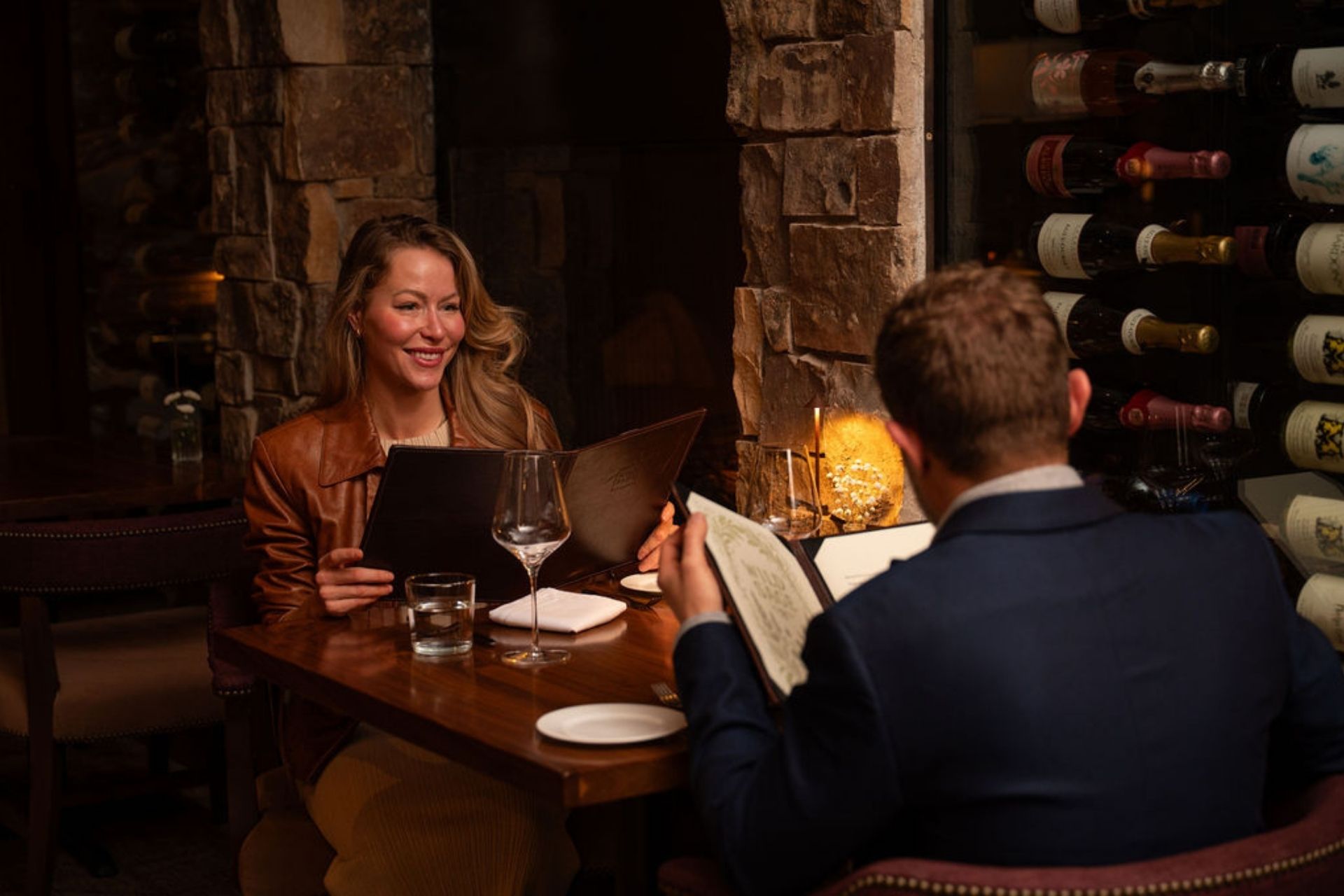
The Rusty Parrot is right in the heart of Jackson, a short drive from the park entrance and surrounded by everything this remarkable valley has to offer. It’s the perfect home base from which to experience the magic of spring in the valley, which is, without a doubt, one of the most extraordinary times to experience this corner of Wyoming.

Born and raised in Jackson Hole, Wilden McIntosh-Round brings a deep-rooted love for the area into his work as a writer. In his versatile career as a content creator and copywriter, he has worked with brands like Samsung and Rolling Stone, but the best part of his job is partnering with local businesses to share their unique stories.